
Winter visibility: screenwash, wipers and ice scrapers
· autotools
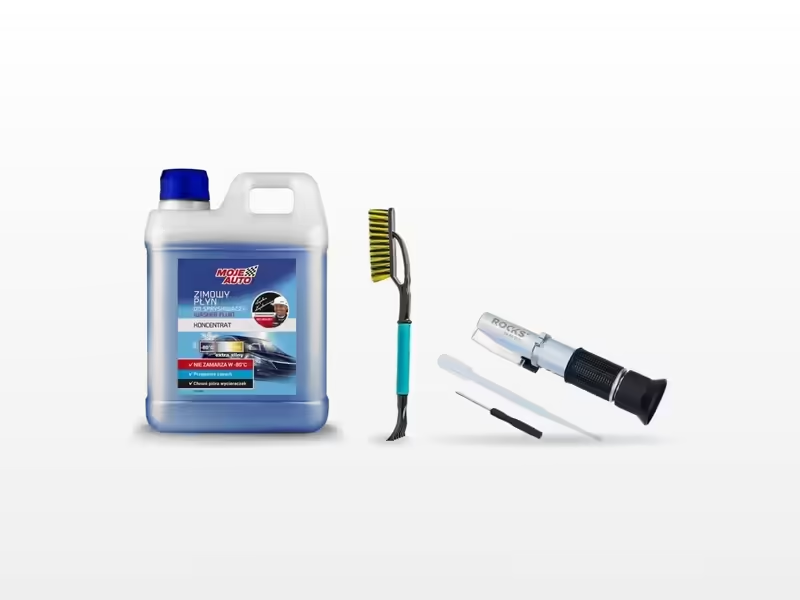
In winter, safety often comes down to how well you can see through the glass. Salt spray, slush and ice can turn a windscreen hazy within minutes, so it pays to sort out three things before the cold sets in.
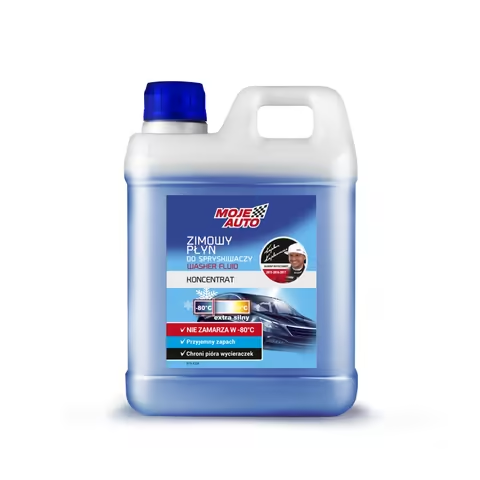
Swap summer screenwash for winter fluid
Summer screenwash freezes at the first sub-zero temperatures. Ice in the reservoir and hoses can damage the washer pump or reservoir and block the jets.
- Use a winter fluid with a freezing point suited to an Estonian winter – at least −20 °C
- Dilute concentrate as the label says: the more water, the higher the freezing point
- If there's still summer fluid in the reservoir, spray it out as far as you can before adding winter fluid
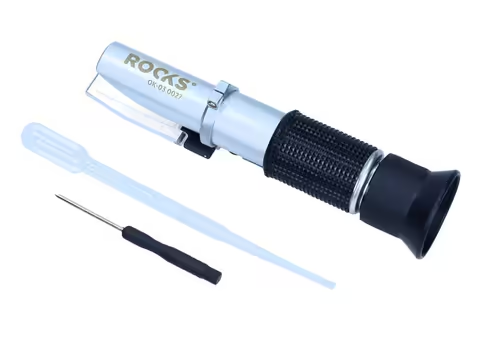
- You can check the freezing point with a refractometer – the same tool used to test coolant
Check your wipers
Worn blades leave streaks, squeak and judder across the glass. Check the rubber before winter: if the edge is cracked, rounded or has gone hard, it's time to replace the blades. Wipe the rubber now and then with a cloth dampened with screenwash.
- Don't use the wipers to clear ice – it wears the rubber and strains the wiper motor
- If the blades are frozen to the glass, free them before switching the wipers on
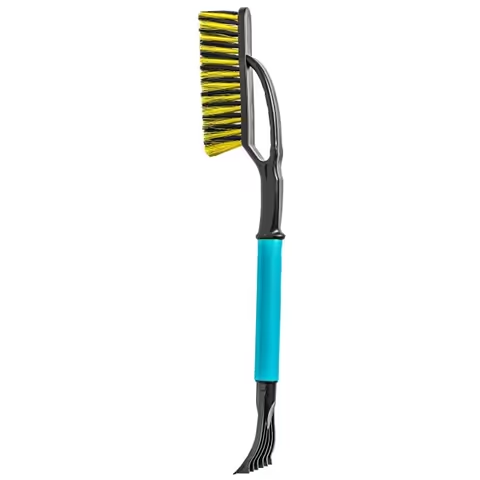
Clear ice and snow properly
Clear the whole windscreen before you drive, not just a small patch in front of the driver. Keep the scraper edge clean so sand and grit don't scratch the glass. Never pour hot water on the glass – the sudden temperature change can crack it. A long-handled scraper with a brush also lets you push snow off the roof, so it doesn't slide onto the windscreen when you brake.
See screenwash and ice scrapers.