
Tyre pressure in the cold: why your tyre is soft in the morning
· autotools
On the first cold mornings, many drivers see the tyre pressure warning light come on even though the tyre isn't damaged. The reason is simple physics: in the cold, the air in the tyre contracts and the pressure drops.
About 0.1 bar per 10 degrees
Every −10 °C means roughly 0.1 bar lower pressure. If you set your tyres correctly at +20 °C, on a −10 °C morning the pressure is about 0.3 bar lower. That's enough to affect braking distance, fuel consumption and tyre wear.
Measure with cold tyres
The pressure recommended by the car manufacturer applies to cold tyres. You'll find it on the driver's door pillar, the fuel filler flap or in the owner's manual.
- Measure before driving, or once the car has stood for at least a couple of hours
- Don't let air out of a warm tyre after a drive – as it cools, the pressure drops below spec
- If you fill tyres in a warm garage, remember the pressure will be lower outside, and check again outdoors
- In winter, check pressure at least once a month and after every major cold snap
What happens when the pressure is wrong
Too little pressure raises fuel consumption, wears the tyre shoulders and makes the car feel sluggish to steer. Too much pressure shrinks the contact patch and wears the centre of the tread. On slippery winter roads the right pressure matters even more.
What to keep in the car
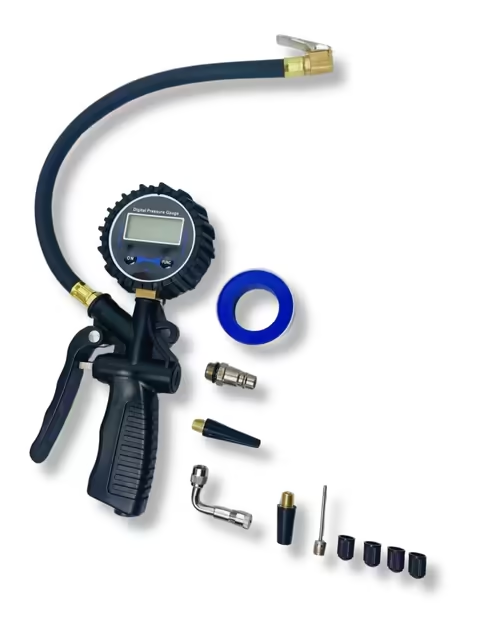
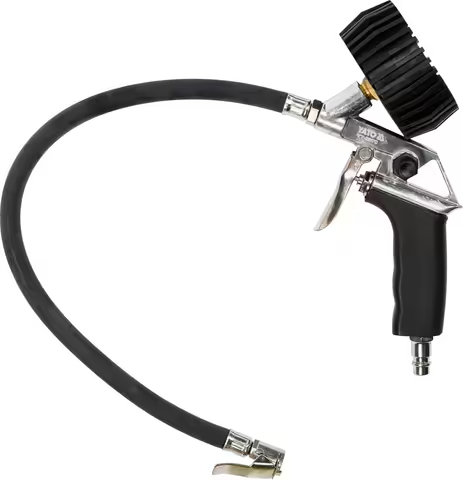
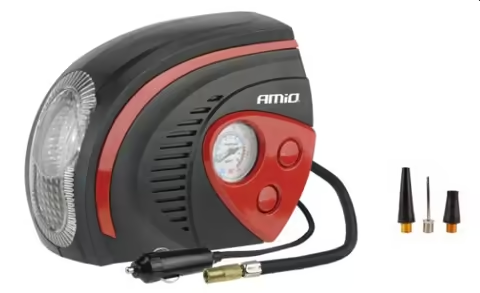
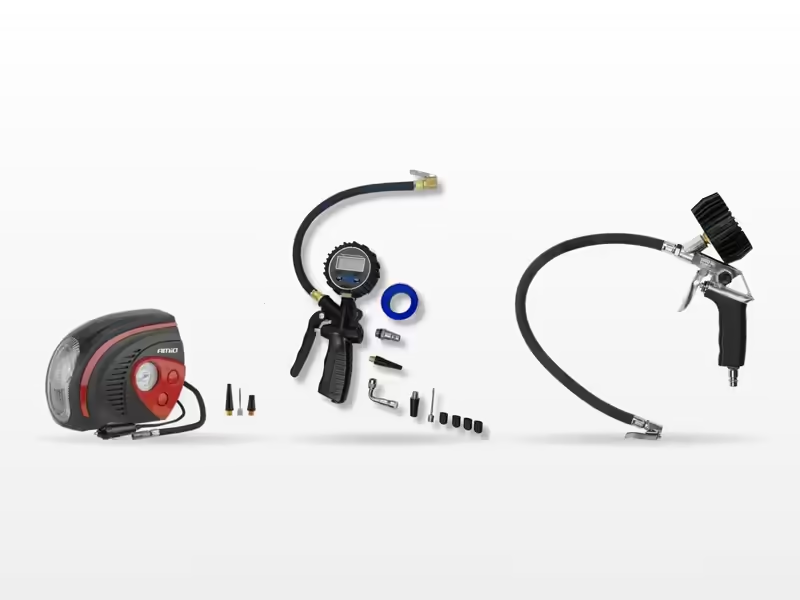
A digital tyre pressure gauge is accurate and fits in the glovebox. A portable compressor lets you correct the pressure right at home, without driving to a petrol station.
If the warning light comes back on after inflating, the tyre may have a slow leak – have it checked. See compressors and tyre pressure gauges.