
Foggy windows every morning? How to get the moisture out of your car
· autotools
It's 7:40 in the morning. Still dark outside, three degrees above zero, light rain. You get in, start the engine, and the windscreen is so fogged up on the inside that you can't see the other end of the car park. The fan is roaring at full blast, you wipe the glass with your glove and leave streaks. And you wait. Again.
If that morning sounds familiar, you're not alone. Northern autumns and winters are hard on a car mostly because of one thing: moisture.
Where does the water come from?
Most of the time it's right under your feet. Rain, sleet and snow come into the car on your boots. The water soaks into the mats and stays there, under a carpet mat and in the floor lining it can linger for weeks. On a rubber mat it just sits in a puddle.
In the evening you park, and the cabin is warm and damp. Overnight the car cools down and the moisture settles on the coldest surface it can find: the windows. In the morning you see the result on the glass, and when it freezes, as ice on the inside. The longer it goes on, the more you also notice that familiar musty smell.
What you can do yourself
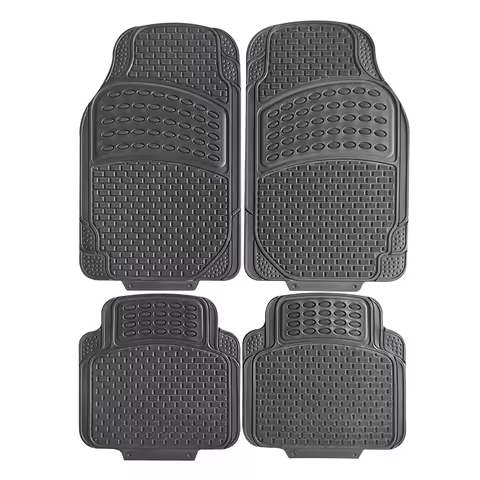
- Empty and dry the mats. Pour the water out of rubber mats, and bring carpet mats indoors to dry now and then. Rubber mats, like the AMiO universal PVC mats, are the easiest in winter, because you can simply pour the water out.
- Let fresh air in before you park. Switch off recirculation for the last few minutes of the drive so the damp air can escape.
- Check the cabin filter. A clogged filter cuts the airflow, and the windows take longer to clear.
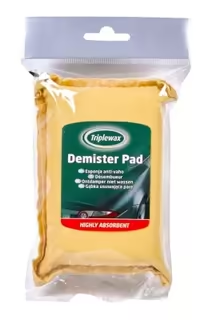
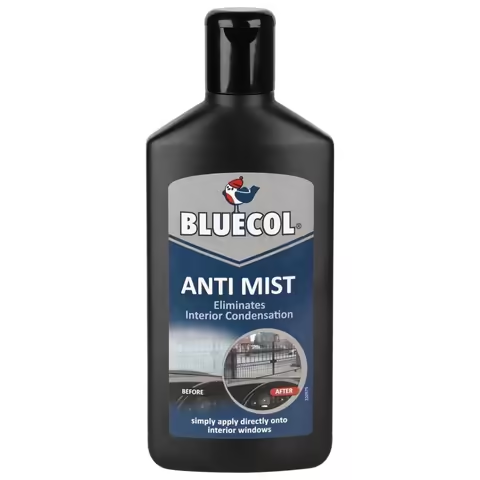
- Keep the right fog tools within reach. Instead of your glove, the Triplewax anti-fog drying pad wipes the glass clear without streaks, and the Carplan anti-fog treatment on the inside of the glass helps stop fog from forming in the first place.
- Put a moisture absorber in the car. It keeps working while the car is parked.
A small pouch that does the night shift
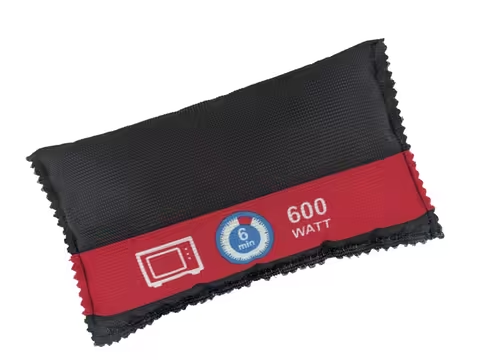
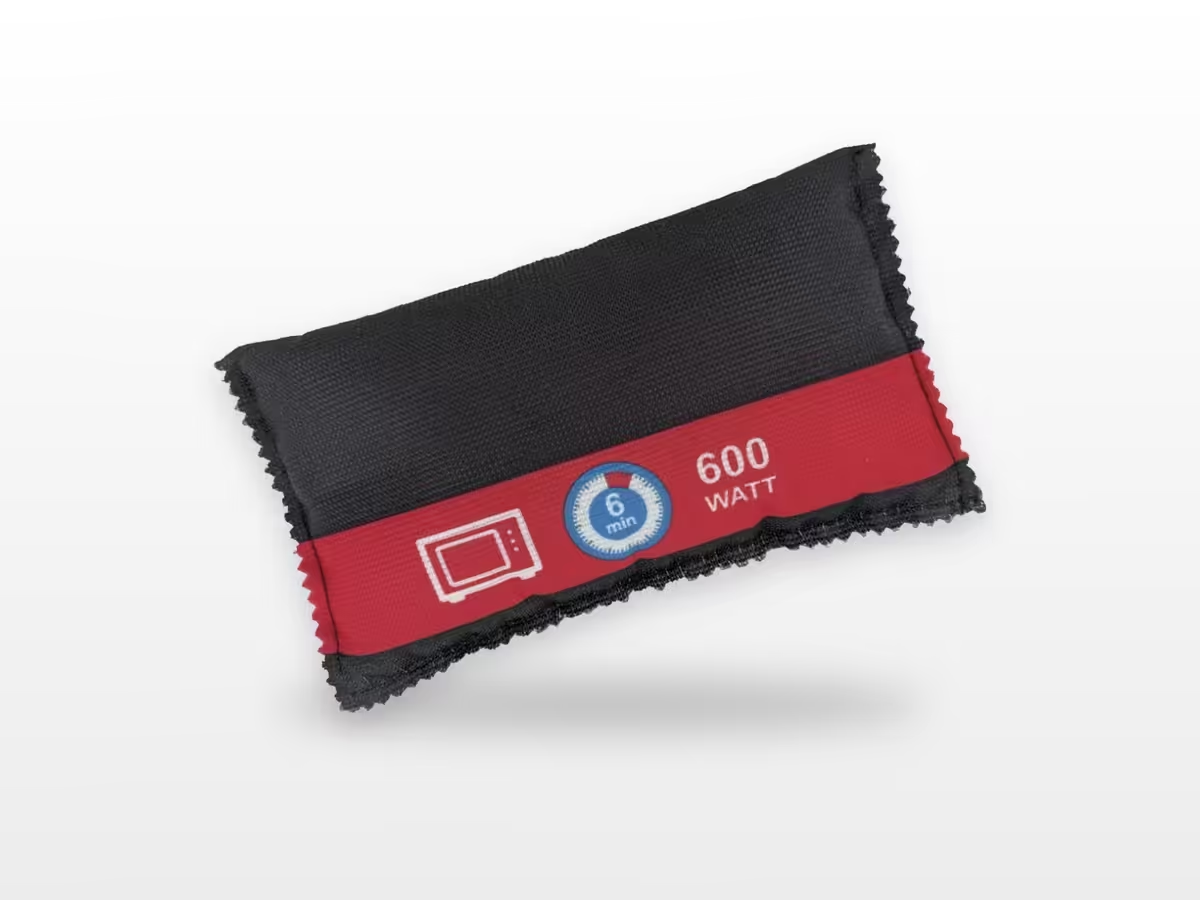
The Onroad moisture absorber with indicator pulls moisture out of the cabin air and holds on to it, the water it collects doesn't go back into the air. Put it on the dashboard under the windscreen or under a seat, and let it work while you sleep.
You notice the difference in the morning: clear windows, get in and drive off. No wiping with your glove, no five minutes of waiting.
How do you know when it's full? That's what the indicator is for: when it turns from blue to pink, it's time to dry it. Put it on a radiator, in the microwave or in the sun, and once the indicator is blue again, back into the car it goes. It's reusable, so one absorber lasts the whole winter and the next one too.
For a smaller car there's also a 300 g version. It works just as well in a caravan, a boat, a garage or a shoe cupboard.
If the windows still keep fogging up
A moisture absorber handles the everyday dampness that wet clothes and shoes bring in. But if the mat is soaking wet even in dry weather, the water is probably coming from somewhere else: a leaking door seal, a blocked drain under the windscreen, or a leaking heater core. You can often recognise the last one by a sweet smell and a greasy film on the glass. In that case, it's worth having the car checked.
Most of the time, though, the cause is simple, and so is the fix. Dry mats, a bit of fresh air and a small pouch on the dashboard, and winter mornings start with clear glass again.