


Oils and fluids
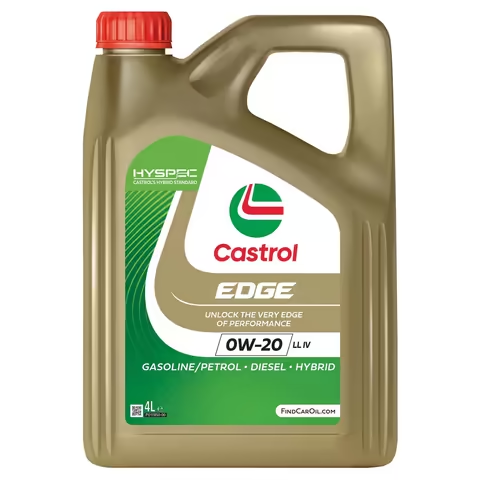
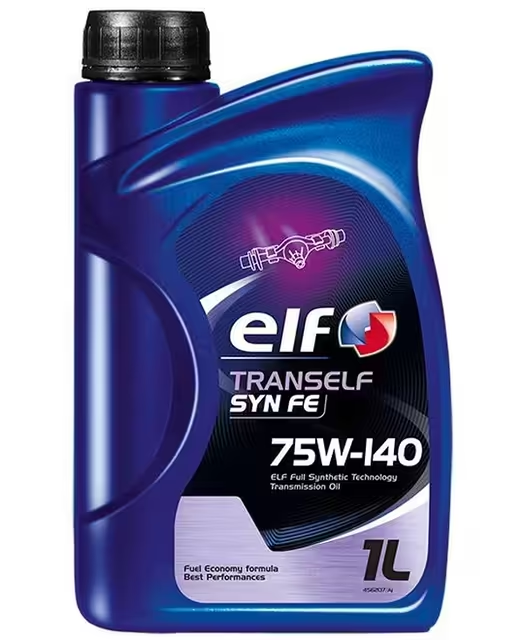
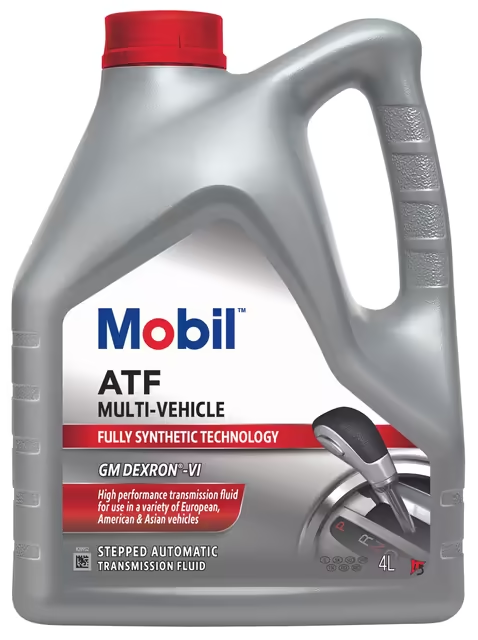
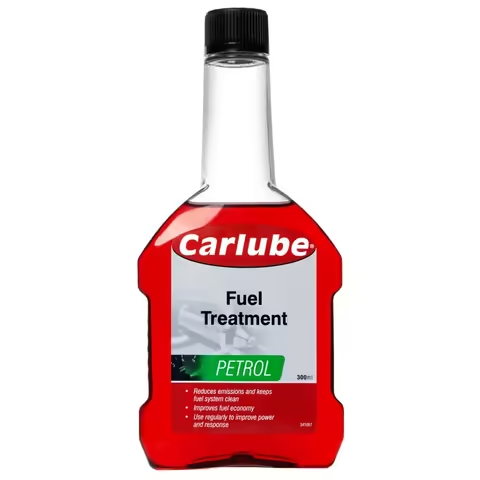
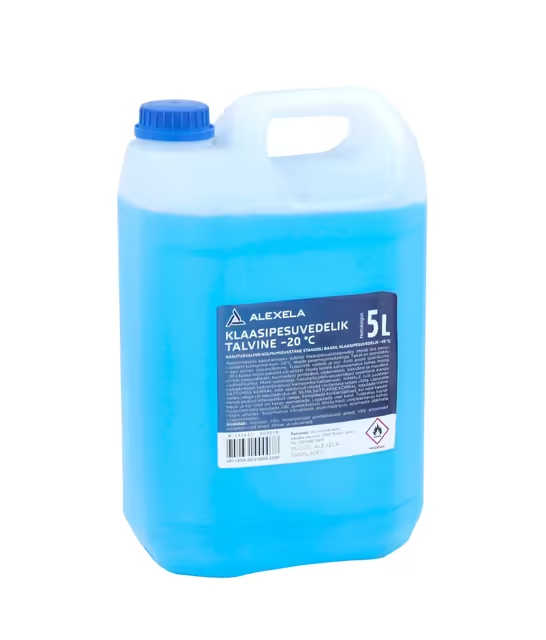
Engine, gear and hydraulic oils, greases, coolant, brake fluid and screenwash. Choose engine oil by viscosity and the carmaker's approval. On the shelf: Motul, Castrol, Mobil and Ravenol.
Popular
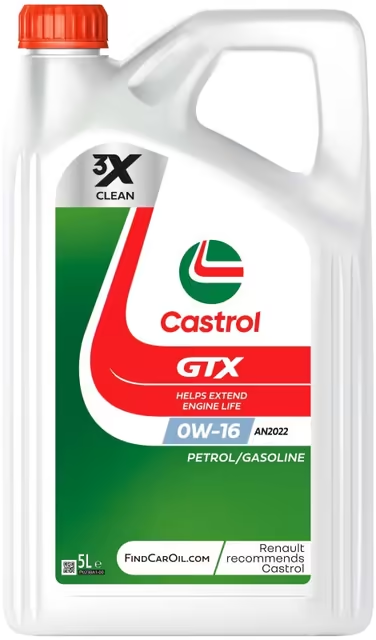
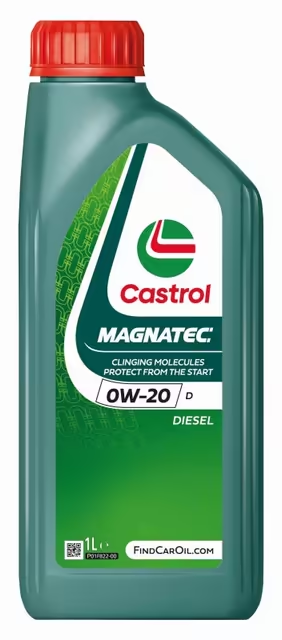
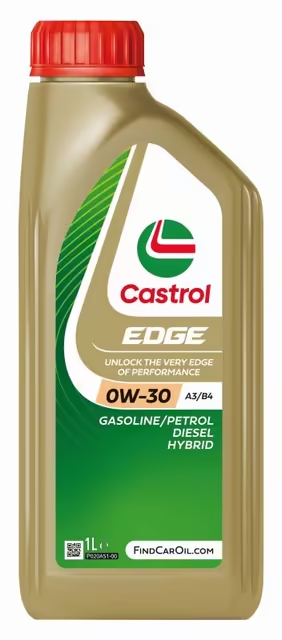
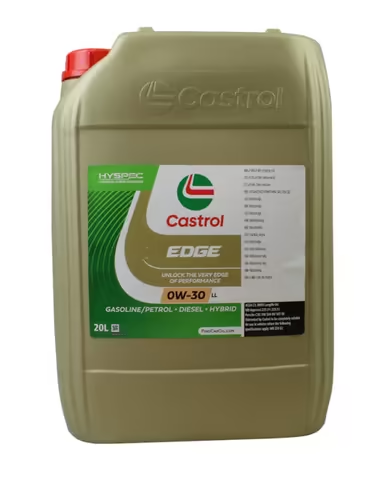
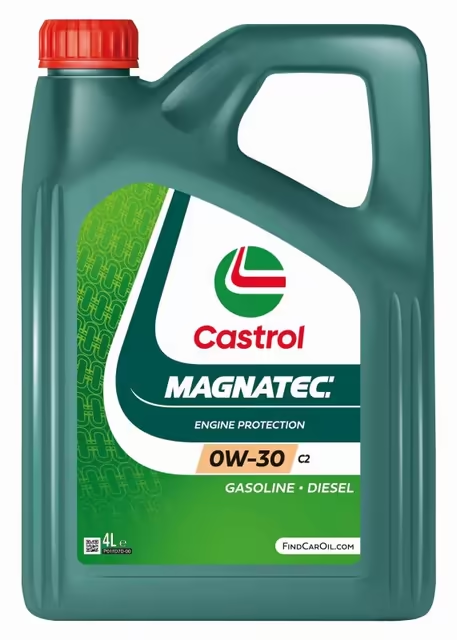
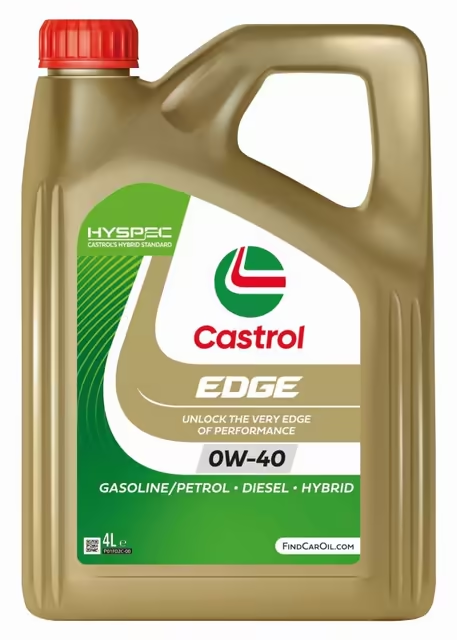
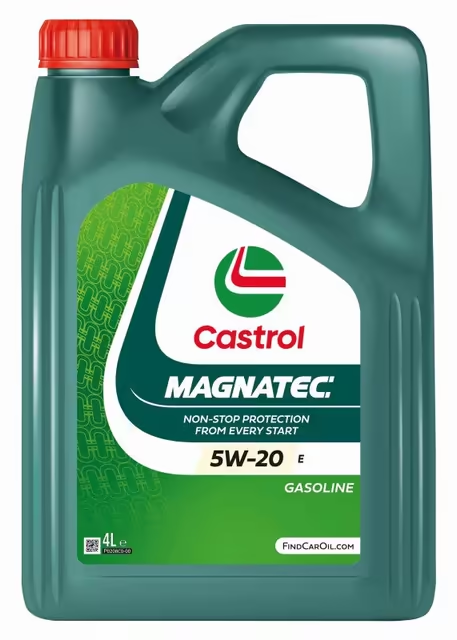
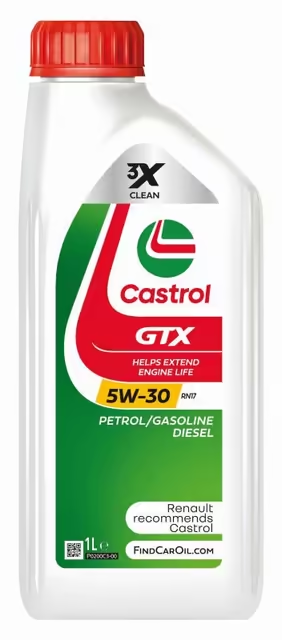
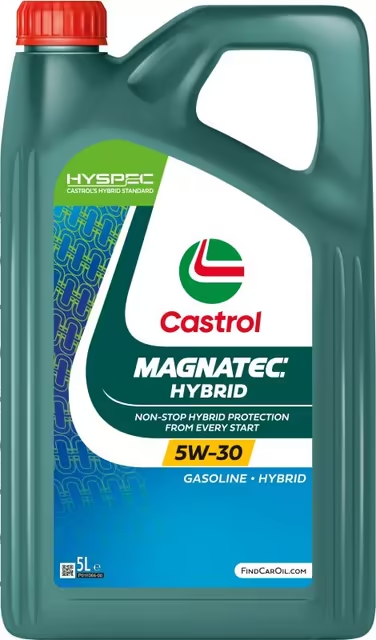
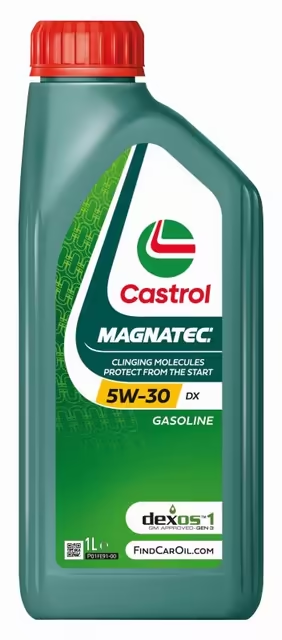
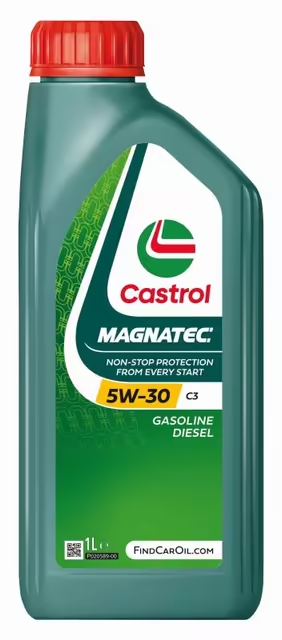
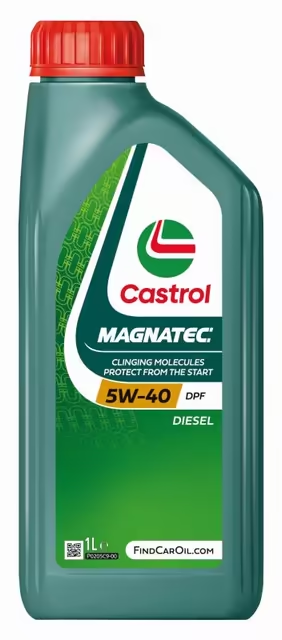
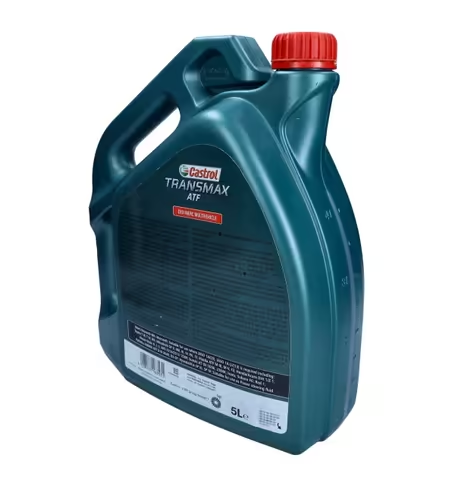
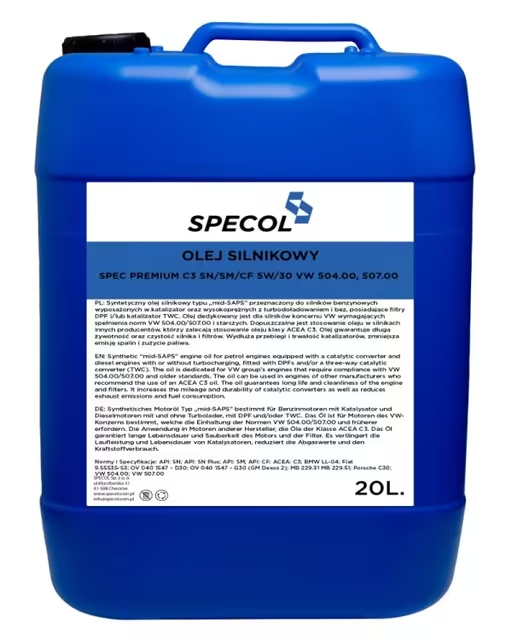
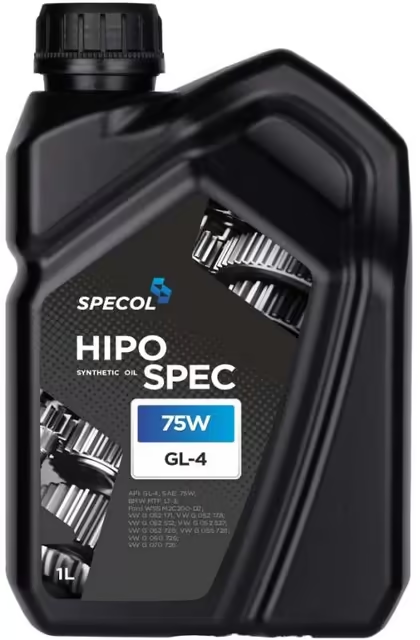
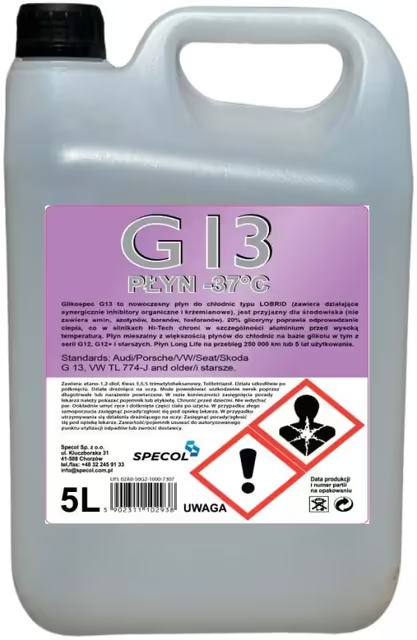

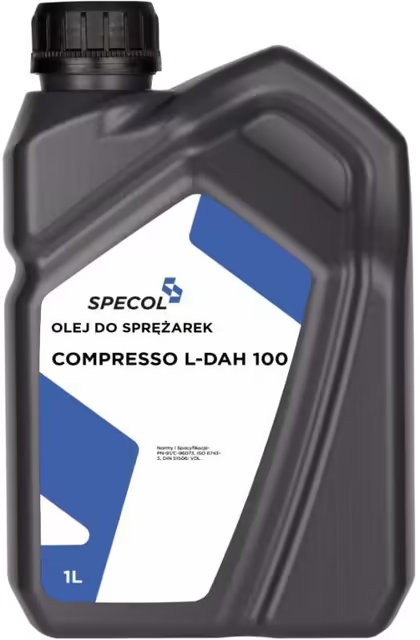
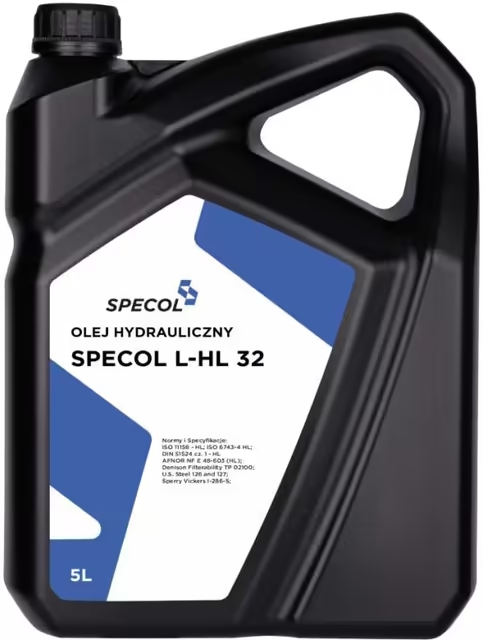
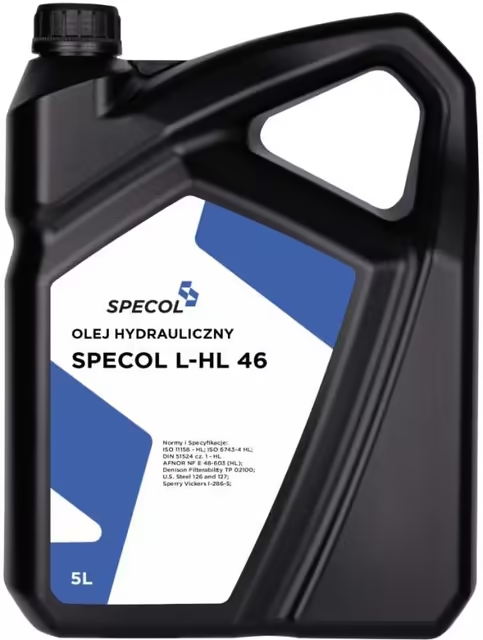
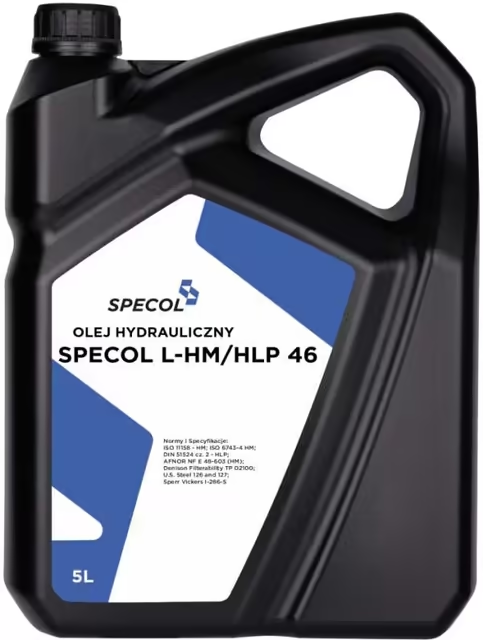
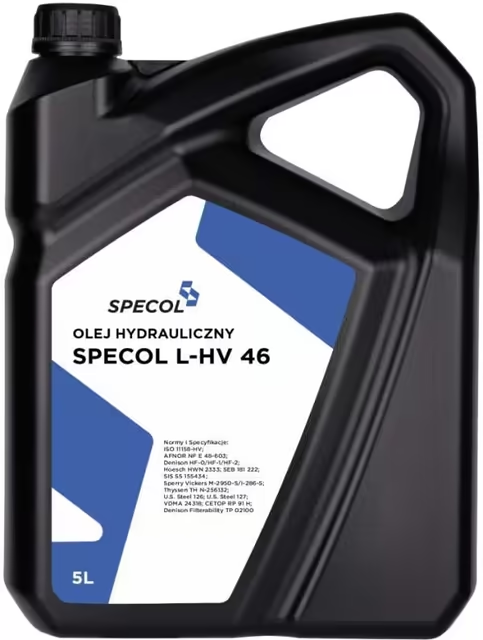
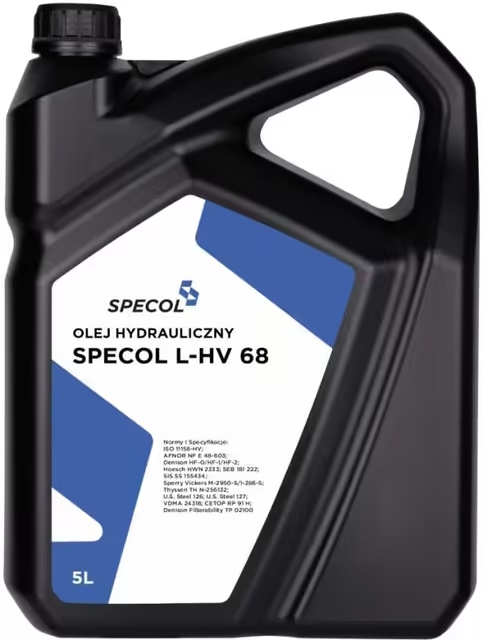
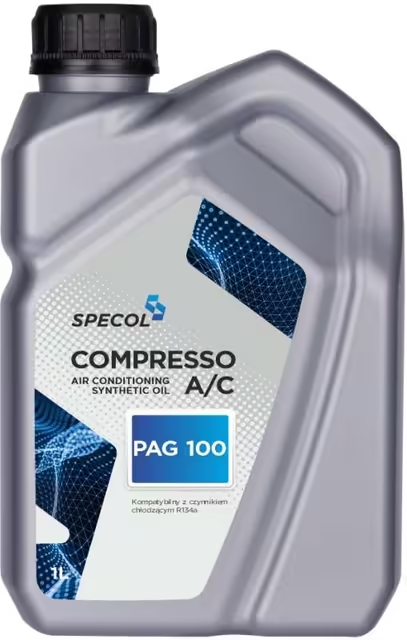
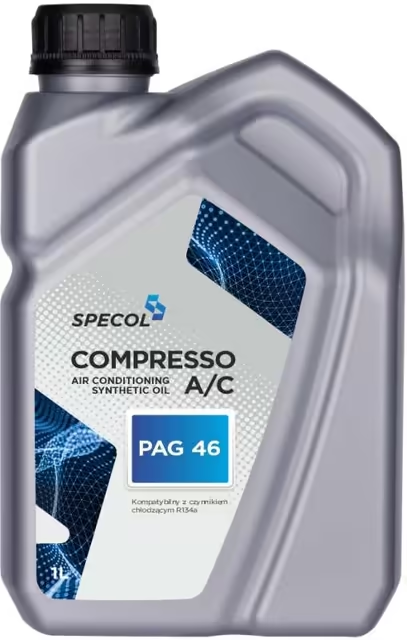
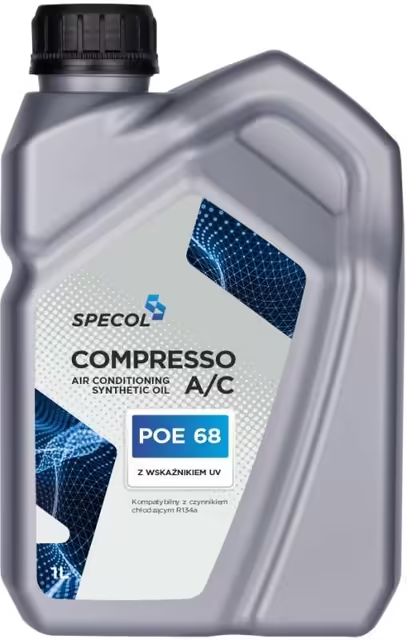
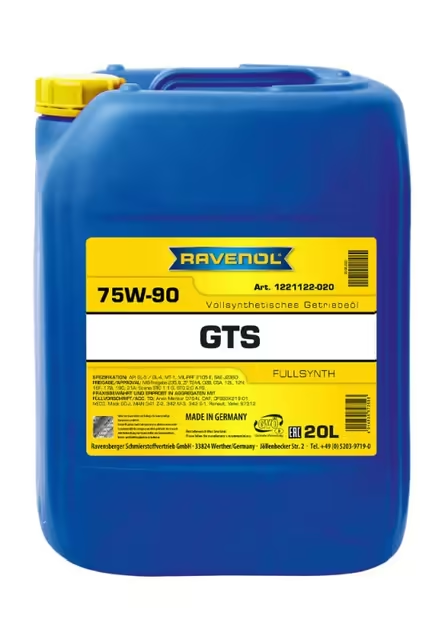
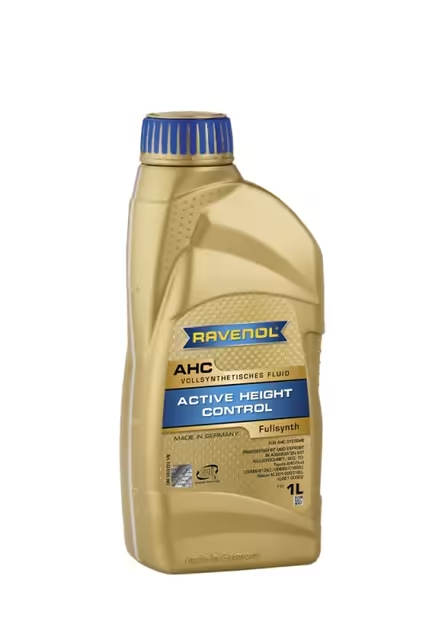
Oils and fluids to start with
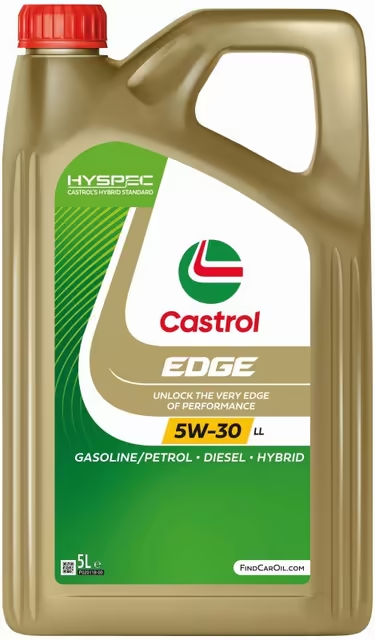
How to choose engine oil
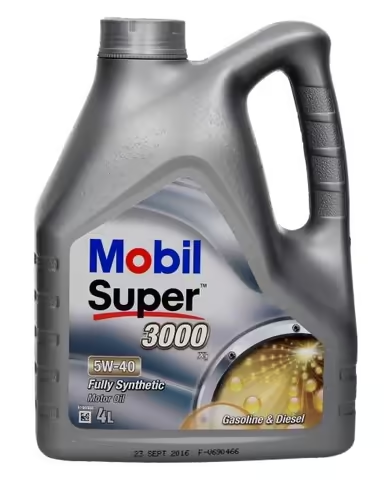
What matters most is the carmaker's oil specification, given in the service book or owner's manual, for example VW 504 00/507 00, BMW Longlife-04, MB 229.51 or ACEA C3. An oil fits when the same specification appears in its name or description. Choosing by viscosity alone can get you an oil that does not meet your engine's requirements.
Viscosity, such as 5W-30, has two parts. The number before the W shows how well the oil flows in the cold: 0W and 5W suit an Estonian winter well. The second number shows how thick the oil is at operating temperature. Use the viscosity given in the service book.
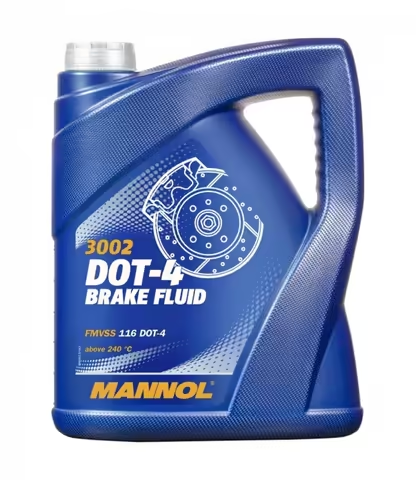
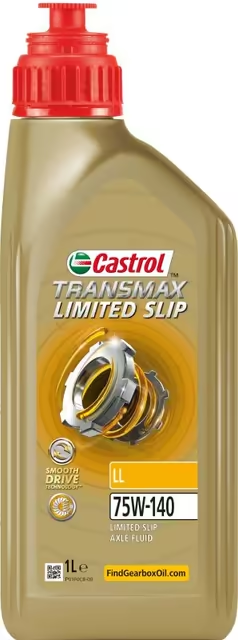
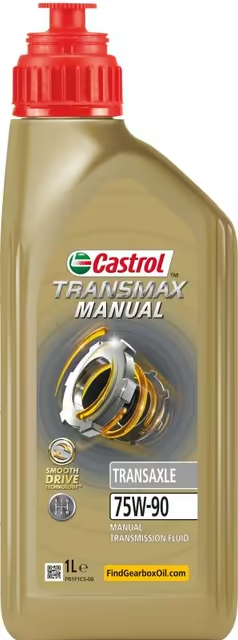
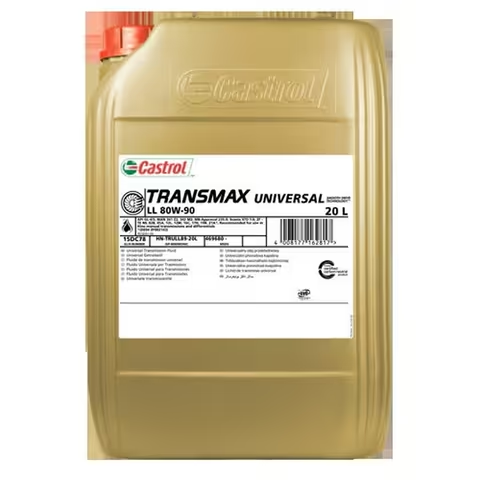
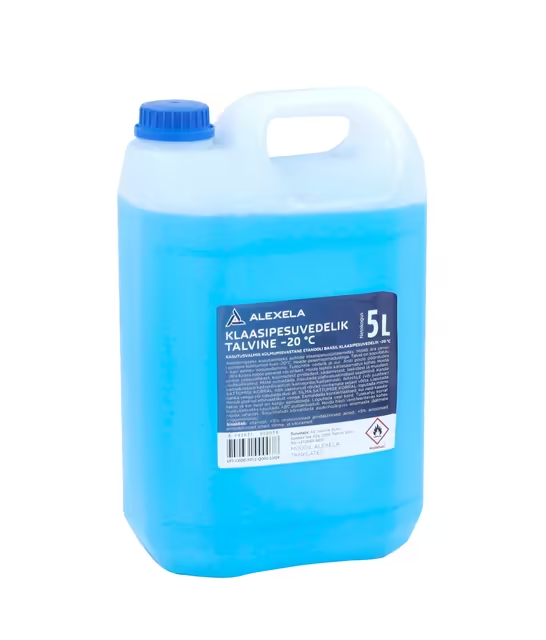
The amount an oil change takes, filter included, is also in the owner's manual. A 5 litre can is enough for most cars, and what is left is for topping up. Choose gear oil, coolant and brake fluid the same way, by the carmaker's specification, not by colour or price.
Frequently asked questions
In a pinch, you can top up with an oil of the same viscosity and specification from another brand. It is still best to top up with the oil already in the engine and change all of it at the next service.
As often as the carmaker's service schedule says, usually every 10000 to 30000 km or once a year. If you drive many short trips, in town or in the cold, change it sooner. Cars on a Longlife schedule calculate the interval themselves.
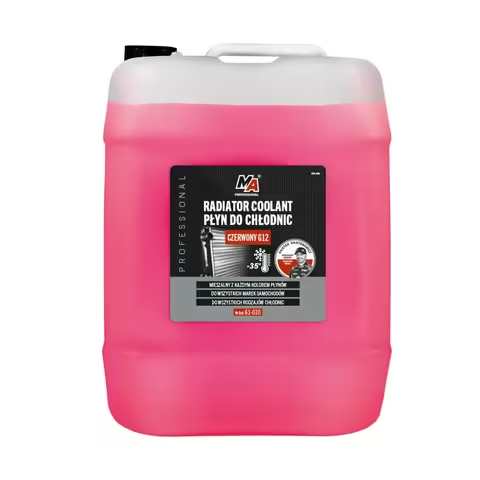
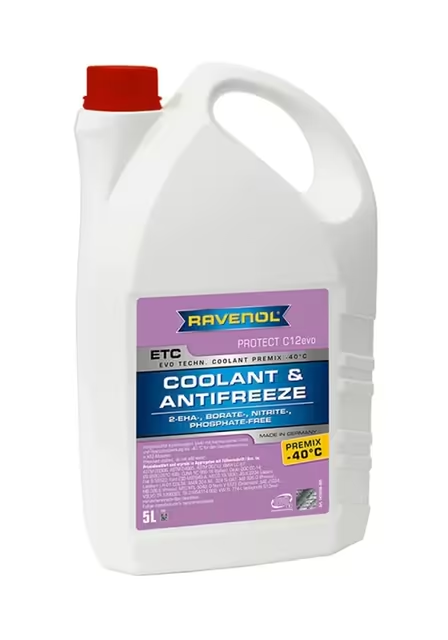
Check the carmaker's specification in the owner's manual and choose a coolant whose description lists it. Different types should not be mixed, and the colour is not a reliable guide to the type. A premix is ready to use, while a concentrate must first be diluted with distilled water.